How to Know When It's Time for a Full Roof Replacement
Not sure if your home in Palestine needs a roof replacement or one more repair? You're not alone. East Texas weather can be tough on shingles, flashing, and vents, and small problems can add up. Knowing the signs saves time, protects your home's value, and helps you plan the work before the next storm rolls through.
As a local roofing company, East Texas Roof Works & Sheet Metal has seen what heat, humidity, and spring storms can do to a roof. Some symptoms point to simple fixes. Others signal the end of a roof's service life. Below, you'll learn what a full replacement really means, how to spot big-picture wear, and why moving from patchwork to a planned project can be a smart, stress-reducing choice.
What a Full Roof Replacement Really Means
A full replacement isn't just new shingles. It's a system-level upgrade designed to keep rain, wind, and heat out for many years. In East Texas, that means removing old roofing down to the decking, checking wood for rot, and replacing what's too soft or split. It also includes new underlayment, flashing at all roof-to-wall joints, fresh pipe boots, and properly sized ventilation so your attic can breathe during our humid summers.
When done right, a replacement restores your roof's ability to shed water, resist uplift, and manage heat. You're not only reset to "like new." You're often getting better materials and details than what was installed years ago, especially around leak-prone spots such as valleys, skylights, and chimneys.
Clear Signs Your Roof Has Reached the End of Its Life
Repairs are helpful for isolated trouble spots. Still, some patterns point to a bigger problem that won't be solved with sealant or a few replacement shingles. Watch for these signs across large sections of your roof:
- Multiple areas of curling or cupping shingles that don't lie flat, especially on sun-baked slopes.
- Heavy granule loss that leaves bald shingle patches and gritty buildup in gutters after storms.
- Widespread missing or cracked shingles following gusty days, not just around one edge.
- Water staining on ceilings or in attic decking near valleys, chimneys, or pipe penetrations.
- Soft, spongy spots or visible sagging lines in the roof plane that suggest damaged decking.
Any single issue can often be fixed. But when you see two or more across large areas, your roof's protective layers are failing as a whole. In our region, repeated wind events and sudden downpours can turn small gaps into active leaks quickly.
When Repairs Aren't Enough
Think of your roof like a chain. If multiple links are weak, you won't trust the chain to hold. The same goes for your roofing system. When the shingles are brittle, the underlayment is aged, and the flashing is rusty, you can patch today and find a new leak next month. That cycle costs time and worry.
Replacing the entire system restores consistency. New shingles, integrated underlayment, and fresh flashing work together. You get predictable performance instead of chasing new problems. As a reputable Palestine roofing company, East Texas Roof Works & Sheet Metal prioritizes long-term solutions that keep families dry through spring storms and summer heat.
Age Benchmarks for Common Roofing Materials in East Texas
Every roof wears at its own pace based on sun exposure, ventilation, tree cover, and storm history. While exact lifespans vary by product line and installation quality, these broad ranges can help you plan. If your roof is within a few years of these ranges and showing the signs above, it's wise to schedule a professional evaluation.
- Asphalt shingles: commonly 15-30 years, with faster wear on dark, sun-facing slopes.
- Architectural asphalt shingles: often longer than basic 3-tab, still weather-dependent.
- Metal roofing: can last several decades with proper coatings and fastener maintenance.
- Tile or specialty systems: long-lasting, but underlayment and flashing still age.
If your roof is approaching its typical service life and you're seeing leaks after each heavy rain, it's time to plan instead of react. A planned replacement helps you choose timing, style, and materials without the pressure of an active leak.
The Weather Factor Around Palestine
Palestine's climate brings hot summers, quick-moving storms, and powerful wind gusts. Heat accelerates shingle aging and can dry out seal strips. Sudden downpours test flashing and valleys. Hail can bruise shingles, loosening granules and setting up future leaks months later. Even pine pollen and leaf litter can hold moisture, creating dark streaks and mildew that age the surface faster.
Because of these conditions, it's smart to track how your roof behaves across seasons. A roof that sheds light in spring rains might still struggle with late-summer storms that come with stronger winds and heavier rainfall.
East Texas tip: After major wind or hail, schedule a professional inspection even if you don't see an obvious leak. Small fractures or lifted edges can let water in during the next heavy storm and are easier to address before interior damage appears.
How Pros Assess Your Roof and Why It Matters
Professional evaluations look at the whole system, not just a single shingle. A trained team checks the attic for daylight at penetrations, reviews ventilation balance, inspects decking stiffness, and examines flashing details where leaks love to start. Surface shingle wear is just one piece of the picture.
Pros also consider roof geometry. Complex intersections, low slopes tying into steeper faces, and chimneys in valleys all change how water moves. These spots may require upgraded underlayment or redesigned flashing when replacing the roof. The goal isn't just to swap materials. It's to correct weak links so your new system works better than the old one ever did.
Cosmetic Wear vs. Functional Failure
It's normal for shingles to fade and develop light streaks over time. That doesn't always mean failure. What matters most is whether the system is still shedding water and resisting wind. For example, algae streaks might be mostly cosmetic, but cracked or missing shingles in many locations signal deeper problems.
If you're unsure, document what you see with date-stamped photos and get a professional opinion. Trends across months tell the real story. A small stain that grows after each storm suggests an ongoing breach, not a one-time splash.
Why Timing Your Project Saves Stress
Planning a replacement before active leaks show up gives you options. You can choose colors in natural light, consider impact-rated materials, and schedule work when it's least disruptive to your family. You also reduce the chance of last-minute tarps, interior repairs, or rushing decisions during a rainy week.
Homeowners in neighborhoods with mature trees often prefer scheduling outside heavy pollen season, since cleanup is simpler. Others plan around school calendars to minimize parking or noise conflicts. A little foresight makes the experience smoother and helps your new roof start strong.
Common Trouble Spots We See in East Texas Homes
Some areas age faster due to design or exposure. Addressing them during replacement prevents repeat issues:
Valleys and dead-end slopes deserve extra attention. These areas funnel more water and debris. Upgraded underlayment and well-formed metal can make a big difference in performance during downpours.
Chimneys, skylights, and siding transitions often need fresh step flashing and counterflashing. Pipe penetrations benefit from new boots sized to the pipe and secured correctly. Rake edges and eaves should be straight and well-fastened to reduce wind-related shingle lift.
What a Quality Replacement Process Looks Like
While every home is unique, strong projects tend to follow a clear sequence. First, your contractor protects landscaping and sets a clean staging area. Next comes careful tear-off, with bad decking replaced so fasteners bite into solid wood. Underlayment, ice-and-water style membranes in valleys, and upgraded flashing follow. Finally, shingles or panels are installed according to the manufacturer's guidelines, vents and accessories are set, and a thorough magnet sweep collects nails from the yard and driveway.
Throughout, communication matters. You should know what was found, what was fixed, and how the final system is designed to perform. Clear updates turn a complex project into a straightforward home improvement.
Choosing Materials With Our Climate in Mind
In Palestine and surrounding East Texas communities, homeowners often look for materials that balance curb appeal with durability in heat and storms. Architectural shingles are a popular choice because they resist wind better than basic 3-tab products. Some lines offer algae resistance to limit streaking in humid conditions. Metal roofing suits certain home styles and can handle strong gusts when installed over a solid deck with the right fasteners and trim details.
Ventilation and attic airflow play a quiet but critical role. Balanced intake and exhaust help your roof run cooler, which preserves shingle flexibility and reduces heat load on the home. During replacement, this is a smart time to evaluate soffit vents, ridge vents, and baffles so the whole system works together.
Protecting Your Home's Value
A sound roof safeguards everything beneath it, from insulation to drywall to flooring. Appraisers and buyers notice when a roof looks tired or has a patchwork of different-aged shingles. A clean, uniform installation signals that the home has been maintained with care. That peace of mind matters in real estate conversations and for long-term ownership.
If storms are frequent on your street, a consistent, professionally installed system reduces the "what if" worries after each weather alert. You'll feel the difference the first time a heavy rain passes, and your home stays quiet and dry.
Your Next Step: Get a Local, No-Pressure Assessment
If you're seeing widespread wear, it's wise to explore a planned roof replacement before the next big storm. A short visit from a pro can confirm what's happening and outline the path to a sturdy, long-lasting solution. At East Texas Roof Works & Sheet Metal, our team walks you through findings in plain language so you can decide with confidence.
Want straight answers and a clear plan? Call our team at 903-723-4095 to schedule your roof evaluation. We'll look at your roof's overall health, discuss options that fit East Texas weather, and help you choose materials that match your style.
Call Us
Connect With Us
Leave a Review
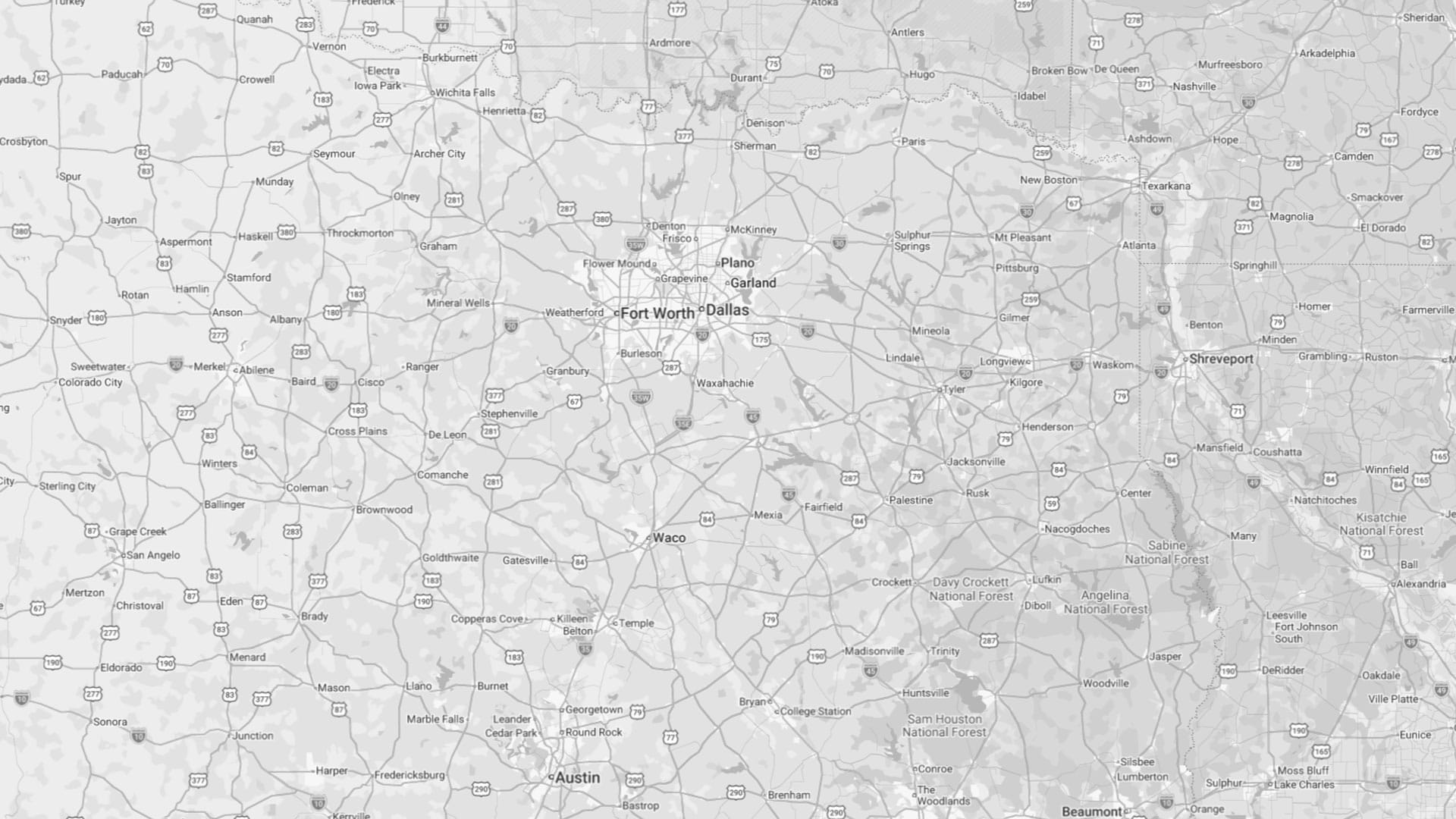
Areas We Serve Across East Texas
- Athens, TX
- Crockett, TX
- Elkhart, TX
- Grapeland, TX
- Jacksonville, TX
- Montalba, TX
- Nacogdoches, TX
- Palestine, TX
- Rusk, TX
- Tennessee Colony, TX