How to Choose the Right Roofing System for Your Property
Your roof is more than a cover. It's a system that has to handle East Texas heat, spring storms, and year-round humidity while keeping your home or building efficient and good-looking. If you own property in Palestine, TX, choosing the right roofing system starts with your goals: durability, energy savings, low maintenance, or a balance of all three. In this guide, you'll learn how to compare materials, match them to local conditions, and partner with a trusted team to get the best results.
Start With Palestine's Weather and Your Building's Needs
Palestine sits in a warm, humid part of East Texas where summer highs push HVAC systems hard, spring brings wind and hail, and fall can deliver heavy rain. Those conditions should drive your roofing choice. Residential homes in wooded neighborhoods may need algae-resistant surfaces and excellent attic ventilation. Commercial buildings along busier corridors often have larger, low-slope roofs that benefit from reflective, single-ply membranes to keep energy use in check. Before picking a product, think through shade, tree debris, roof slope, and how long you expect to own the property.
Understand Roof Types and How They Perform
Every material shines in certain situations. Rather than chasing trends, match the roof to your structure and maintenance comfort. If you're sorting options and want a simple place to start, review the most common roof types used across East Texas, then narrow your list based on the factors below.
Asphalt Shingles: Familiar, Flexible, and Aesthetic-Friendly
Asphalt shingles remain the go-to for many Palestine homeowners because they're time-tested, widely available, and come in styles that fit everything from historic cottages near downtown to newer subdivisions on quieter streets. Architectural shingles add dimension that boosts curb appeal. Look for algae-resistant granules if your home is shaded, and consider impact-rated shingles if storms are a concern. Proper underlayment, flashing, and attic ventilation matter as much as the shingle itself; together, they help resist leaks and heat buildup.
Metal Roofing: Strong, Efficient, and Long-Lasting
Metal roofing has grown popular around East Texas ranch homes, cabins, and modern builds because it manages heat well and sheds rain quickly. Standing seam panels create clean lines and reduce exposed fasteners, which helps with longevity. Metal reflects a significant amount of solar energy, and lighter colors amplify that effect. If your property is surrounded by tall pines or oaks, metal handles for falling leaves, and frequent rinsing during storms without much fuss. Ask about compatible underlayments and fastener systems that resist thermal movement.
Flat and Low-Slope Options: TPO and Torch Down Explained
Many commercial and some residential additions in the Palestine area have low-slope roofs. Here, single-ply TPO and modified bitumen (often called torch down) are common choices. TPO offers bright, reflective surfaces that help control interior temperatures, while torch down provides layered strength with robust seams when installed correctly. For either system, drainage planning and insulation are crucial. Gutters and scuppers should move water off the roof fast to reduce ponding after those sudden Texas downpours. Routine inspections help keep seams and penetrations tight.
Match Roof Slope, Structure, and Style
Your roof's pitch limits what you can safely and smartly use. Shingles and metal excel on steeper slopes because they shed water faster. Low-slope roofs favor continuous membranes that keep water out without relying on gravity alone. Consider the structure as well; heavier materials may require framing checks. If you're renovating an older home, a lighter system like metal might reduce stress on the structure while improving energy performance. Blend your choice with your home's style so the new roof looks like it was always meant to be there.
Energy Efficiency and Comfort in East Texas
Heat is a big deal here. Cool roofing colors, radiant barriers, quality underlayment, and properly sized attic ventilation all work together to lower attic temperatures and reduce strain on your HVAC. On low-slope roofs, higher R-value insulation under a reflective membrane can stabilize interior temps for shops and offices. These details don't just save energy; they make rooms more comfortable, especially those right under the roof.
- Choose light or "cool" colors to reflect more sunlight and reduce heat gain.
- Pair ventilation with balanced intake and exhaust to move hot, moist air out.
- Use compatible underlayments to manage moisture and add secondary protection.
Storm Readiness: Wind, Hail, and Heavy Rain
East Texas storms can arrive fast. Impact-rated shingles, thicker metal panels, and reinforced membrane seams help resist damage. Secure flashing at valleys, walls, and around penetrations like vents is your first line of defense. After a storm, a professional surface and attic check can catch issues early. Keep trees trimmed back to prevent branches from scraping and to reduce leaf buildup that can hold moisture against the roof surface.
Maintenance and Longevity: What to Expect
Every roof needs a little routine care. Plan seasonal checkups to clear debris from valleys and gutters, look for lifted edges, and verify that sealants remain intact. On flat roofs, keep drains open and watch for standing water after heavy rain. Metal roofs benefit from occasional fastener reviews and surface rinsing. Asphalt shingles appreciate clean gutters and unobstructed ventilation. Staying proactive helps protect warranties and keeps small issues from turning into larger repairs.
Appearance and Neighborhood Fit
A roof can refresh your home's whole look. In Palestine's tree-lined streets, deeper shingle colors often blend nicely with brick or stone. Metal roofs in matte finishes pair well with modern or farmhouse designs. For commercial buildings, crisp white TPO can project a clean, updated image and contribute to energy savings. If you belong to a neighborhood or property association, check their guidelines for approved colors and styles before you finalize your choice.
Warranties, Insurance, and Installation Quality
Strong materials deserve careful installation. Manufacturer warranties typically depend on following their specifications and using compatible components. Insurance considerations vary, but documenting your roof's condition before and after storms helps during claims. The best protection is quality workmanship, a clear scope of work, and photo documentation from start to finish. Ask your contractor how they handle ventilation upgrades, flashing details, and cleanup so you know exactly what you're getting.
In Palestine, humidity and heat can stress roof systems. Ask about ventilation adjustments during replacement to help your attic "breathe," improve comfort, and support long-term material performance.
How to Compare Options Without Getting Overwhelmed
There's a simple way to weigh materials. Start with local weather resilience, then review maintenance needs, then evaluate curb appeal. Finally, confirm that the roof system fits your building's structure and slope. When you look at products in that order, the best choice often becomes obvious. If you're still deciding, book a professional roof assessment that includes photos and a short report you can keep for your records. It's easier to choose when you can see exactly what your roof is dealing with.
- Define your top priority: lifespan, efficiency, or appearance.
- Match the priority to materials built for East Texas conditions.
- Verify ventilation and drainage plans before signing a contract.
Common Mistakes to Avoid
Don't overlook attic ventilation when replacing the roof. It supports energy performance and moisture control. Avoid mixing incompatible components that can void warranties. Don't assume all "impact-rated" products perform the same; ask for documentation and understand what the rating covers. And never skip professional inspections after major weather, so you can address minor issues quickly.
Why Work With Local Pros in Palestine
Local experience matters. Crews who work in Anderson County know how wind drives rain, where debris tends to collect, and how hot attics can get in July. They're also familiar with common home styles in the area, which helps dial in color and profile choices. When you're ready to review options, turn to Palestine roofing company experts who understand the climate and the materials that perform best here.
What You Can Expect From East Texas Roof Works & Sheet Metal
From the first call to final cleanup, East Texas Roof Works & Sheet Metal focuses on clarity and craft. Our team starts with a detailed roof and attic review, then explains two or three systems that fit your structure, slope, and energy goals. We document the plan, schedule efficiently, and keep your property tidy throughout. If you'd like a quick comparison of materials, we'll walk you through the main roof types we install across East Texas and help you see how each one would look and perform on your property.
Whether you've owned your place for decades or just moved in, a roof you can trust makes daily life simpler. You'll spend less time worrying after storms and more time enjoying the spaces under your roof. If now's the time to plan a replacement or upgrade, our friendly team is ready to help you compare options, choose a style you love, and schedule at a time that works for you.
Ready to protect your home with a better roof? Let's talk through your goals, timeline, and preferred style so you can move forward with confidence. Call 903-723-4095 to schedule a roof assessment with East Texas Roof Works & Sheet Metal today.
Call Us
Connect With Us
Leave a Review
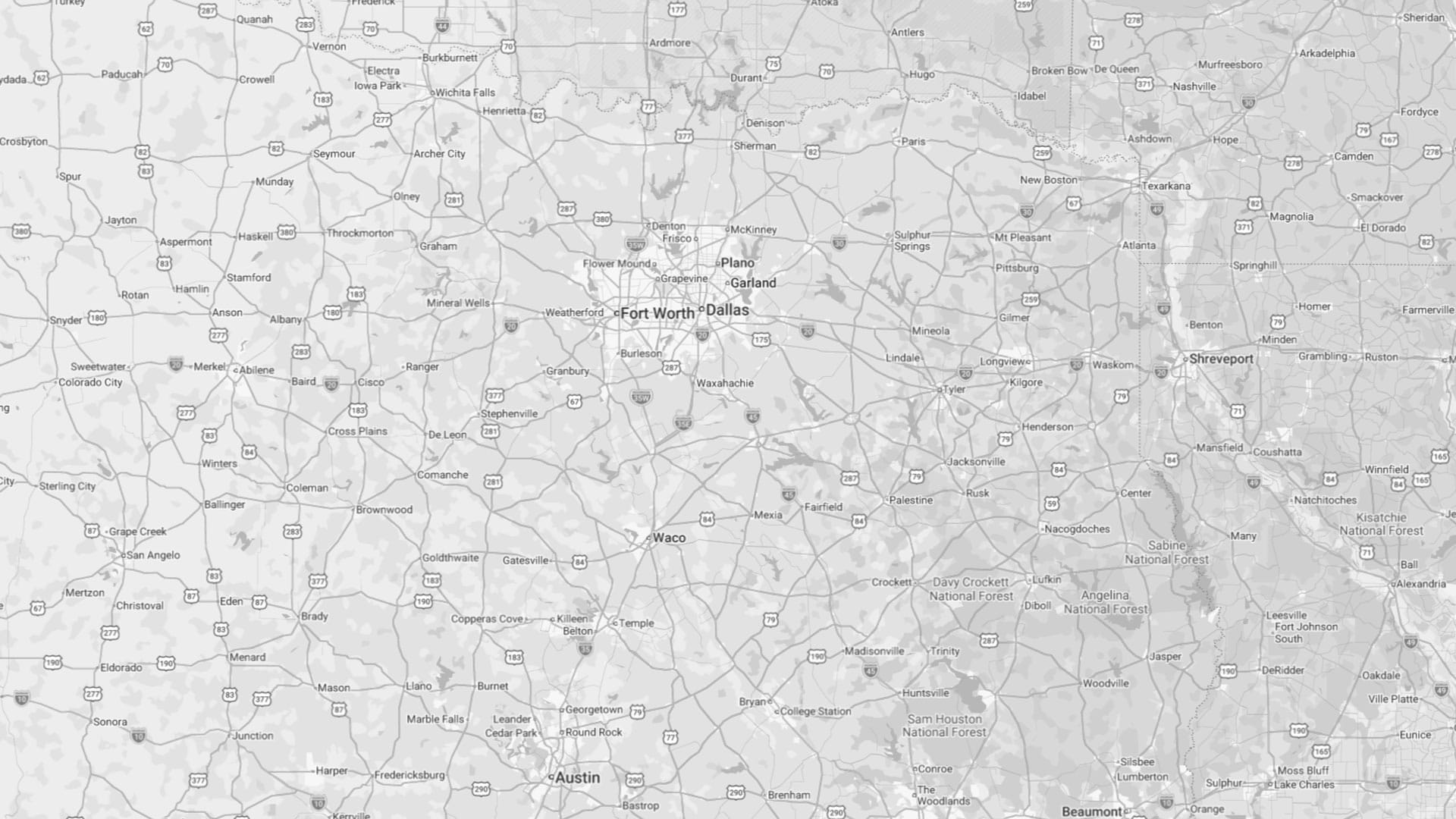
Areas We Serve Across East Texas
- Athens, TX
- Crockett, TX
- Elkhart, TX
- Grapeland, TX
- Jacksonville, TX
- Montalba, TX
- Nacogdoches, TX
- Palestine, TX
- Rusk, TX
- Tennessee Colony, TX