Fire & Water Damage: What to Do Immediately After It Happens
When fire, smoke, or water hits your home in Palestine, TX, the first moments feel overwhelming. You worry about safety, the roof over your head, and what comes next. Take a breath. The smartest first step is to focus on safety, protect what you can without taking risks, and get trusted local help moving right away. If you're unsure where to start, learn how a team trained in fire & water damage recovery secures your property and guides you through the process.
Safety Comes First In The First Hour
After a fire or a burst pipe, hazards don't always look obvious. Heat can weaken roof framing and decking. Smoke can linger in closed spaces. Flooded rooms may hide wiring problems or slippery flooring. Wait for first responders to say it's safe before you approach any damaged area, and keep children and pets away until a professional walks the site with you.
Never enter rooms with standing water if you see exposed wiring or smell smoke; treat every damp outlet or breaker as dangerous until a licensed pro confirms it's safe. If the fire department shuts off utilities, let qualified technicians restore them at the right time. Even if the damage looks small, hidden moisture and soot can spread fast without you seeing it.
Stabilize The Property Without Taking Risks
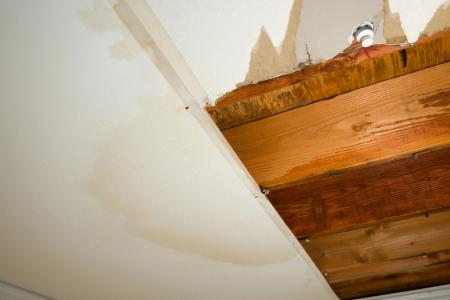
In many East Texas homes, the roof takes the brunt of fire and storm damage. Intense heat can loosen shingles, crack flashing, and weaken trusses. When water pours in from a burst supply line or storm opening, ceilings and insulation soak up moisture that quickly spreads to walls and floors. This is where a roofing-focused restoration partner makes a real difference.
East Texas Roof Works & Sheet Metal is a local roofing company that understands how structure, roof coverings, ventilation, and water pathways work together. Instead of quick patches that fail, a trained crew assesses the roof, attic, and living spaces as a system. They secure unsafe areas, coordinate temporary weather protection, and document every finding for your insurer. That keeps you safer today and supports a smoother claim tomorrow.
Start Your Insurance Claim With Clear Documentation
As soon as you're able, contact your insurance carrier to open a claim. Share the date and approximate time of the incident, a simple description of what happened, and which areas were affected. If officials allow you to reenter, take wide photos from doorways and short videos panning each room. Don't move or discard damaged items until the adjuster or your restoration professional says it's okay; they may need to see the items in place.
- Have your policy number, contact info, and any claim photos ready before you call.
- List the rooms involved and any obvious roof, attic, or ceiling impacts you noticed from a safe distance.
- Note who responded (fire department, police) and any instructions they gave you.
- Share any special concerns like medical devices, mobility needs, or pets on the property.
Clear, calm information helps your adjuster get you answers faster. It also helps your restoration partner coordinate with the carrier and keep everyone aligned on scope and timeline.
Stop Secondary Damage In Our Humid Climate
Palestine's warm, humid weather makes fast action critical after water exposure. Moisture trapped in insulation, behind baseboards, or under roofing can feed mold and cause musty odors. Soot and smoke particles keep breaking down surfaces until they're removed by trained technicians using the right methods. Your restoration team sets up drying, filtration, and containment to control these risks while protecting clean areas of your home.
Roof openings, even small ones, let in humid air that slows drying and can warp materials. Tarping and board-up are not cosmetic; they're essential for controlling conditions and protecting what's still sound. A roofing company with restoration training knows how to create tight, temporary covers that won't trap more water or cause pooling.
Speed matters when the air is damp and warm; the sooner pros stabilize the structure, the more of your home they can save. That means fewer surprises and a clearer path to normal.
Choose A Local Team You Can Trust
Fire and water losses aren't the time for guesswork. You want a nearby partner who knows Palestine's homes, the way weather moves along Loop 256, and how local adjusters prefer claims documented. That local context keeps the process moving. It also means faster site visits, easier check-ins, and better coordination if storms return while repairs are underway.
When you're ready to speak with a pro, trust our professional roofing company in Palestine, so you understand how a local crew steps in, protects your space, and communicates throughout. Ask how they handle board-up and tarping, how they document roof and attic conditions, and who will be your single point of contact. A good team will explain the plan in plain language and set expectations before work begins.
What A Professional Restoration Process Looks Like
Every loss is different, but the overall path from emergency to repair follows a steady rhythm. The goal is to stabilize quickly, prevent further harm, and then restore the structure the right way. Here's how that usually unfolds when roof systems and water are involved:
- Safety and structural checks led by trained technicians, including roof, attic, and ceiling review.
- Temporary protection, such as board-up and moisture-safe tarping to block weather and secure entries.
- Moisture mapping with professional meters to outline the full affected area for you and your adjuster.
- Controlled drying and filtration to protect clean zones and manage odor and particle removal.
- Selective removal of unsalvageable materials with clear photos and notes for the claim file.
- Roof and building envelope repairs completed in a way that supports long-term performance.
Trust this step-by-step rhythm. It prevents shortcuts that look fast but cause delays later. Your project manager should update you often and explain what each phase means for your family's timeline.
Common Mistakes To Avoid After A Fire Or Flood
Even careful homeowners can make choices that slow recovery or add cost. Avoid these pitfalls so your claim and repairs stay on track and stress stays low.
Don't throw away damaged items before the adjuster or your restoration lead documents them. That includes carpet, pad, ceiling tiles, and small contents. If you remove proof of loss, you may slow down your own claim. Also, avoid walking on a damaged roof or into a soaked attic looking for leaks. The surface may be unstable and can fail without warning.
Skip store-bought solutions that aren't sized for a whole home. Consumer fans and small dehumidifiers help with minor spills, but they rarely control moisture after a roof opening or building-wide water release. Finally, avoid hiring multiple contractors at once without a clear lead. It's better to have one restoration-focused coordinator who keeps the full scope, roof to floor, in view.
How Weather and Seasons Affect Recovery
Our part of Anderson County sees spring thunderstorms, summer heat, and the occasional winter freeze. Each season changes how restoration crews plan your project. In spring and summer, humidity means drying equipment may run longer to keep materials in the safe range. Afternoon pop-up showers also push teams to time roof work carefully and check covers twice a day.
In cooler months, outside air can help reduce moisture but creates other risks like condensation at the dew points inside your attic. Professionals balance airflow, temperature, and filtration so drying stays on track. If a long rain system is forecast, expect crews to spend extra time checking roof protection and exterior seams. Planning for the weather keeps your home safer and your schedule realistic.
Coordinating With Your Adjuster and Keeping Your Family Comfortable
Good communication is a major stress reliever. Your project manager should coordinate with the adjuster and share daily or weekly updates with you, depending on the phase. If your kitchen, bedrooms, or main bath are affected, ask about short-term living arrangements early so you're not rushed later. Many carriers have guidelines for reasonable accommodations; your restoration partner can help explain which spaces need to be off-limits and why.
Keep a small notebook or phone note with dates, names, and quick summaries of every call or visit. It's simple, but it pays off when you need to confirm what was said or when a milestone occurred. Clear notes help everyone align and keep your project moving forward.
Why A Roofing-Focused Team Matters After Fire and Water
Roof structure and coverings take a beating in both fires and water events. Heat can twist rafters and dry out underlayment. Water can wick along trusses and drip through light fixtures and vents. A roofing company with restoration training understands how these pieces connect and how to protect them during drying and repair. They know which materials can be saved and which must be replaced to prevent future leaks or odors.
That knowledge protects value. It also reduces the chance of doing the same repair twice. With East Texas Roof Works & Sheet Metal managing the roof, attic, and interior as one system, you get a plan designed to last long after crews pack up.
Your Next Step
You don't have to navigate this alone. From the first phone call to the final walk-through, a steady, local partner keeps you informed and your home protected. We're here to listen, explain, and help you make confident choices each day of the project. If you're in Historic Downtown, along the loop, or anywhere in greater Palestine, TX, our team can be at your door fast and ready to help.
If your home has fire & water damage, call East Texas Roof Works & Sheet Metal now at 903-723-4095. We'll secure your property, coordinate with your adjuster, and guide you to a clean, safe home.
Call Us
Connect With Us
Leave a Review
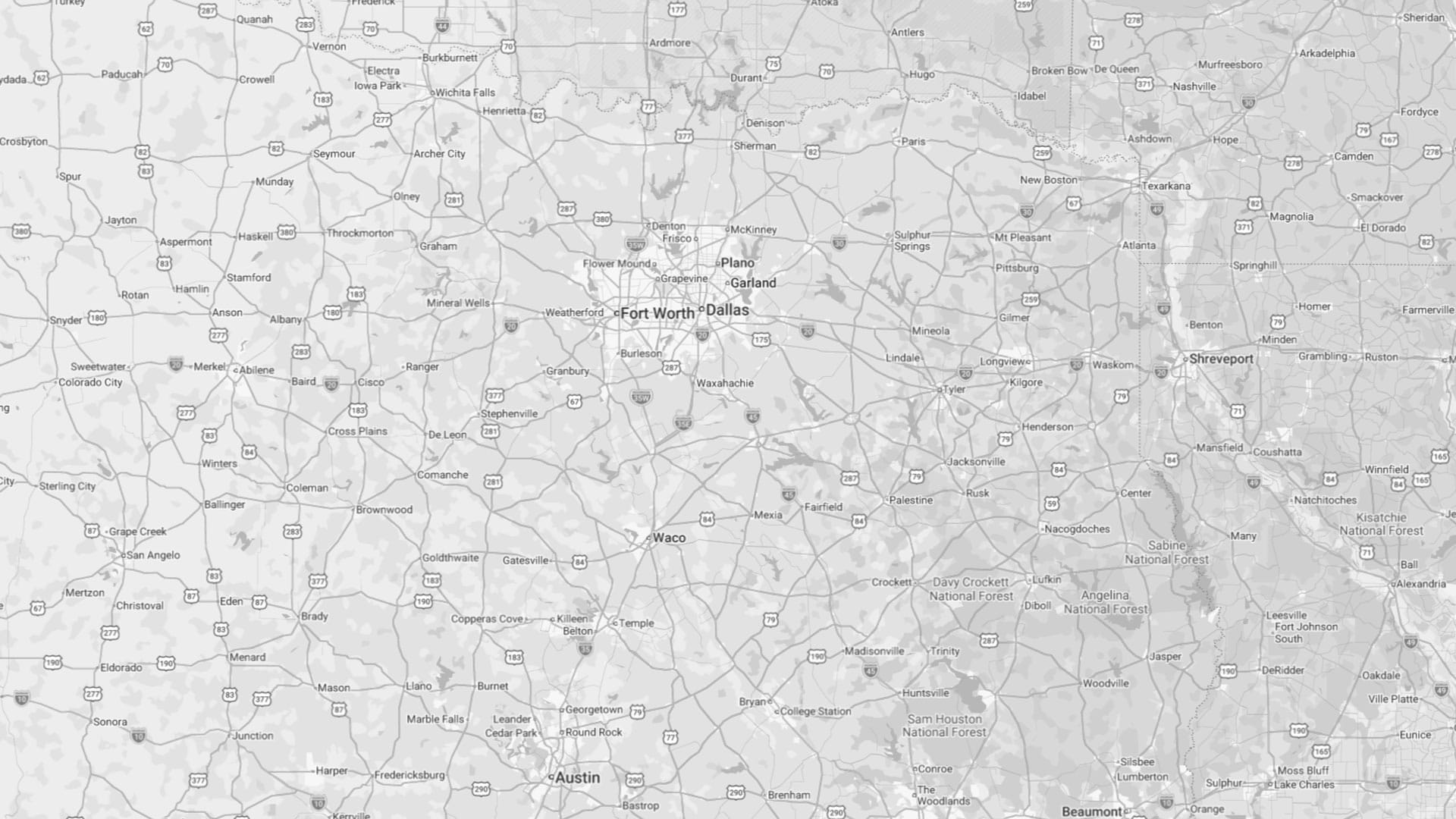
Areas We Serve Across East Texas
- Athens, TX
- Crockett, TX
- Elkhart, TX
- Grapeland, TX
- Jacksonville, TX
- Montalba, TX
- Nacogdoches, TX
- Palestine, TX
- Rusk, TX
- Tennessee Colony, TX